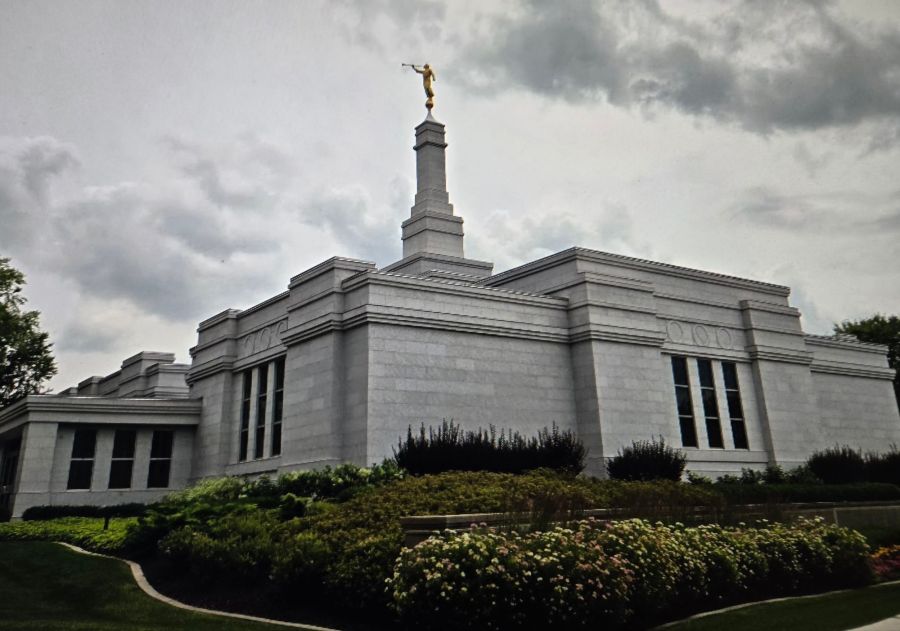
I can read about a place and anticipate visiting it, but a true understanding and comprehension of its possible meaning doesn’t hit me or help my writing until after I’m physically part of its landscape.
Knowing this about myself, I decided to visit the birthplace of Mormonism, Palmyra, New York. I had gone there when I was a little girl. My family and I went to the Hill Cumorah Pageant, a reenactment of the origin story of Mormonism. It wasn’t a religious experience for us but rather a spectacular light show. Since COVID, the annual pageant, which attracted thousands of people from around the world, has been discontinued.
Joseph Smith, the founding prophet, was born on December 23,1805. His family moved to the Palmyra area around 1816. His family did what many early New York settlers did: clear the land, build a cabin, and work hard to increase financial resources.
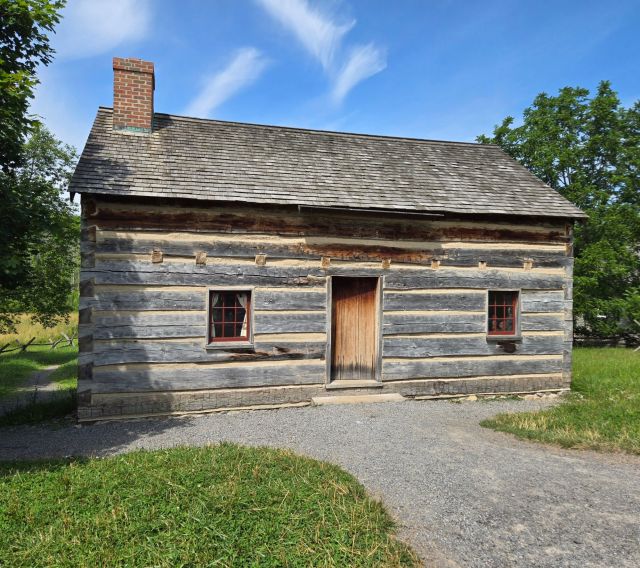
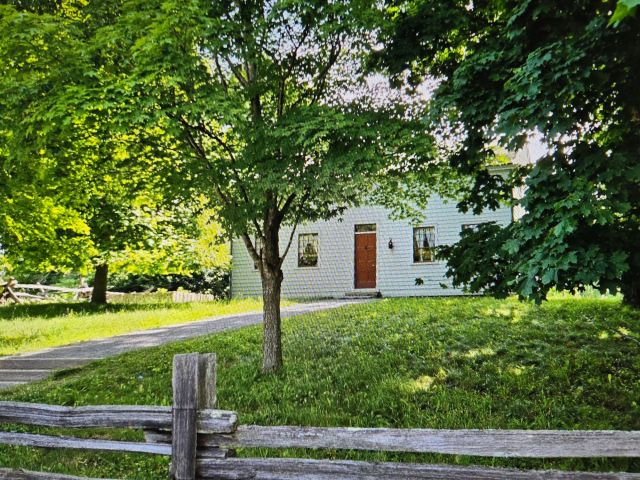
Soon the family was able to build a larger home nearby.
Joseph Smith was profoundly affected by everything happening around him. America was the new country established by people free from kings and one-way thinking. Joseph didn’t know where to put his spiritual loyalty. He would search for some tranquility in the woods behind his house. It was there in 1820 that he discovered the foundation and message of the new religion he was about to create. In this place, later called The Sacred Grove, he was visited by God, Jesus, and the angel Moroni. He was given the Golden Plates, covered in Egyptian hieroglyphs, which he would translate into The Book of Mormon. In 1830, he found someone to help finance the printing of the book at the Grandin Print and Book Shop in Palmyra. Excerpts, which should have been protected by copyright law, were published in newspapers. Polygamy was sanctioned by early followers. Outrage from the religious and non-religious ensued. Joseph’s conviction didn’t weaken. He was so glad he could baptize his family members under one religion. He became fixated on the establishment of a church. In 1831, he trained and sent missionaries throughout the state, the country, and the world. Public opinion forced him to leave New York State, and the Erie Canal helped him and his many new followers escape to Kirkland, Ohio. He and his people were driven further west to Nauvoo, Illinois, where he and his brother were eventually killed by the police on April 33, 1844, in Carthage, Illinois.
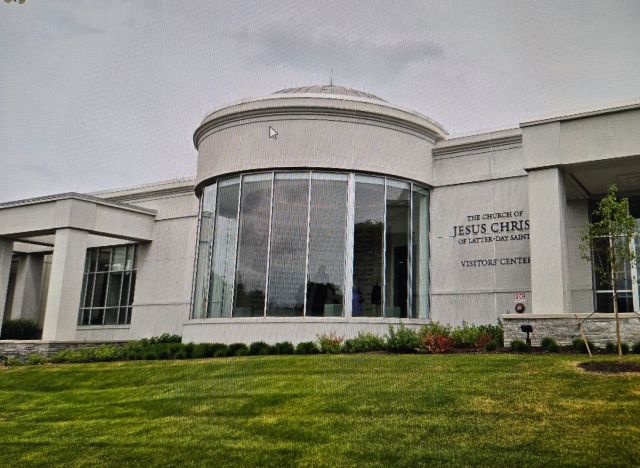
While in Palmyra, I went to the visitor center and found the people there very kind. The tried to be helpful but knew nothing of Nauvoo, NY.
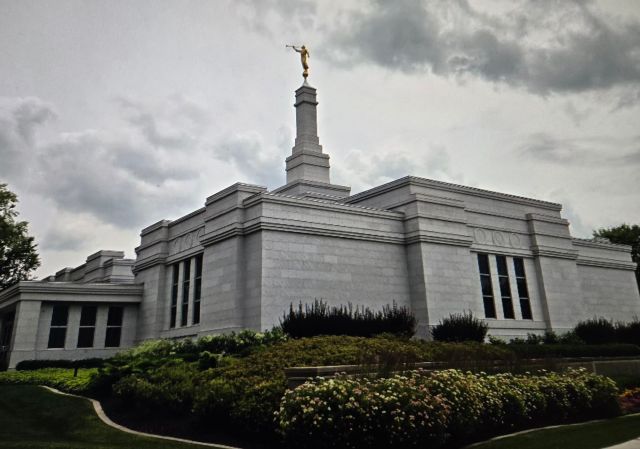
Morons build beautiful temples to house their spirits, rituals, and prayers. I went to the temple in Palmyra, but because I wasn’t a member, I wasn’t allowed in.
When I started my blog over eight years ago, I made a promise to myself that I would never use my writing to embarrass or put down anyone. I need to write because it helps me sort out the things I see in my life. In the woods, rock outcroppings, and the remnants of old farms around me, I feel the presence of the people who lived in my area and are now gone. I want to know their stories.
Why did early settlers come to New York State and, in particular, my North Country?
What obstacles did they face getting here and establishing homesteads?
Why were there so many Christian denominations during the early years of our country?
And is there something significant to the fact that Nauvoo, IL, and Carthage, IL, are the same distance apart as Nauvoo, NY, and Carthage, NY?
More to come!!!!
Copyright 2026 theautonomoustraveler.com All rights reserved!

