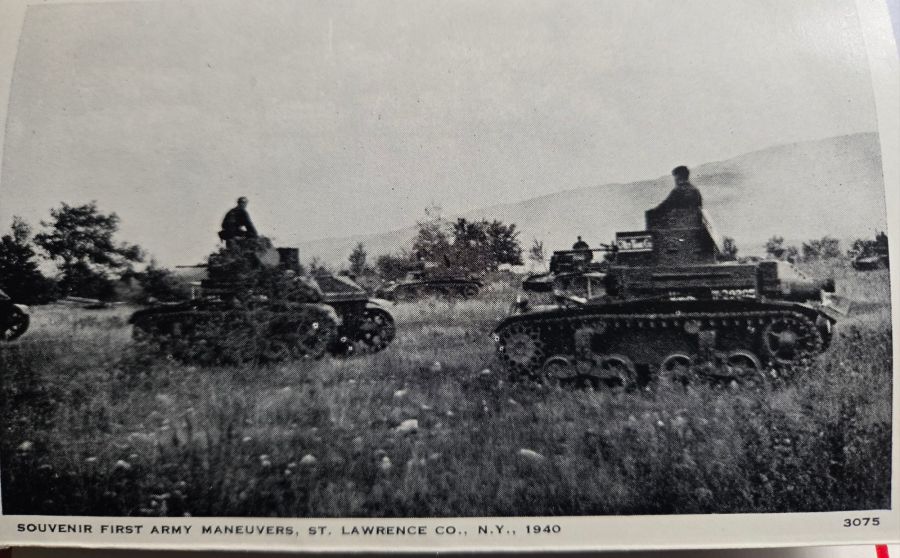
In 1941, half my town was taken over by the government, and the people there had to move out and find new homes. Country folks packed up their belongings on pickup trucks. They made arrangements to move their livestock and farm equipment to a new destination, leaving their friends and community behind.
The reason for the evacuation was international and critical. The plan was to protect not only the people of Antwerp but the citizens of America and the world.
In September of 1939, Hitler invaded Poland in a blatant act of aggression. Having just lived through The Great Depression and enjoying a peaceful chapter in history, our Congress and the people of our country didn’t want to get involved in another world war. As the memories of the Spanish-American and WWI faded, our Army stood at 200,000 men, ill-equipped for battle.
Our leaders understood the dangers of the Nazis’ plan. President Roosevelt and his top Army commanders developed a well-thought-out strategy not only to increase and train our troops but also to convince Congress to appropriate funds for munitions. In 1940, publicized mock battles were carried out in farm fields and small towns of Tennessee, Louisiana, and The Carolinas. In addition, one was held in St. Lawrence County in New York, just miles from the town of Antwerp and the hamlet of Nauvoo.
In June of that year, arrangements were made in St. Lawrence County with farmers, landowners, schools, and businesses to use their property. The stage was set for 22 days of skirmishes.
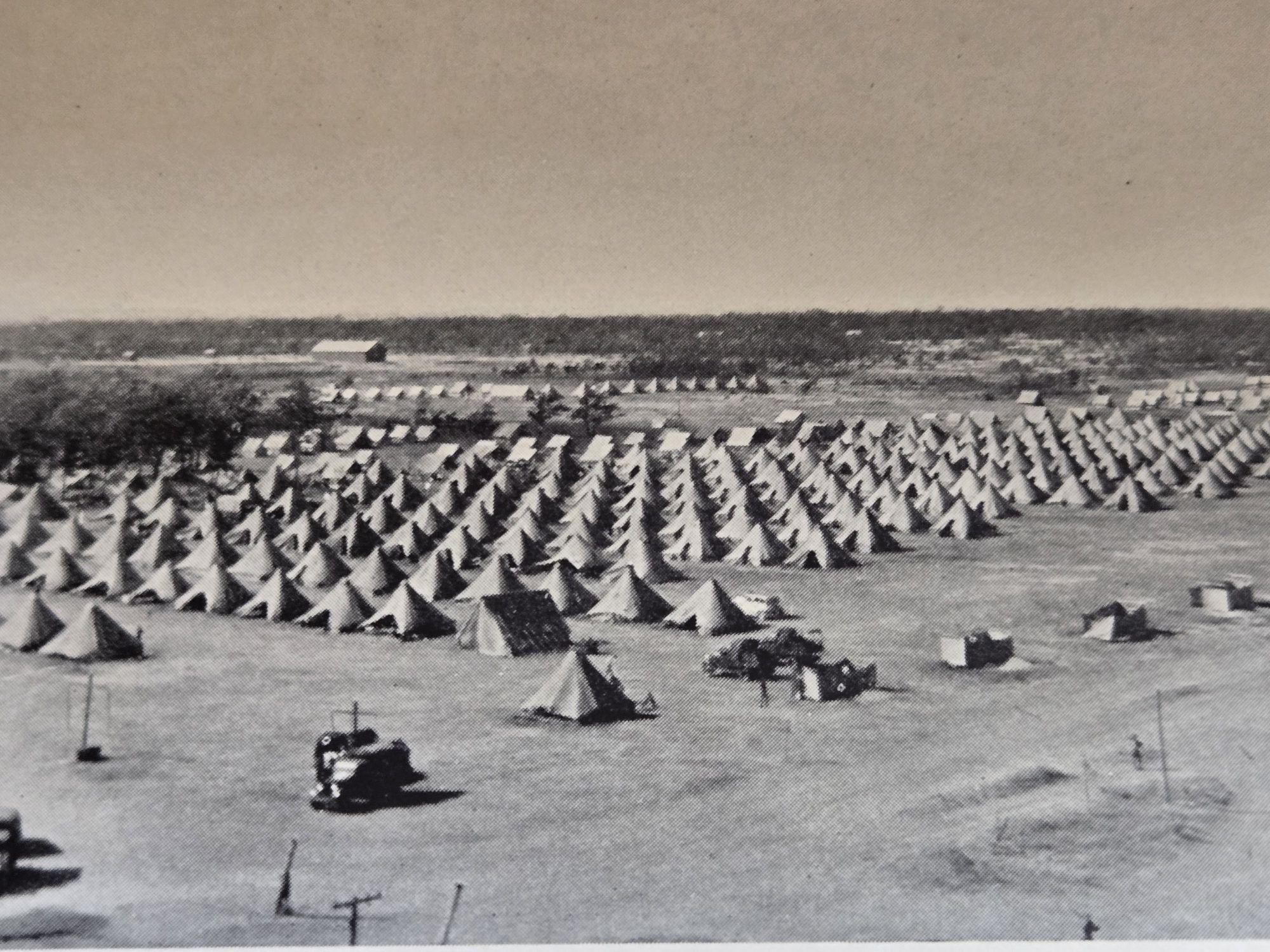
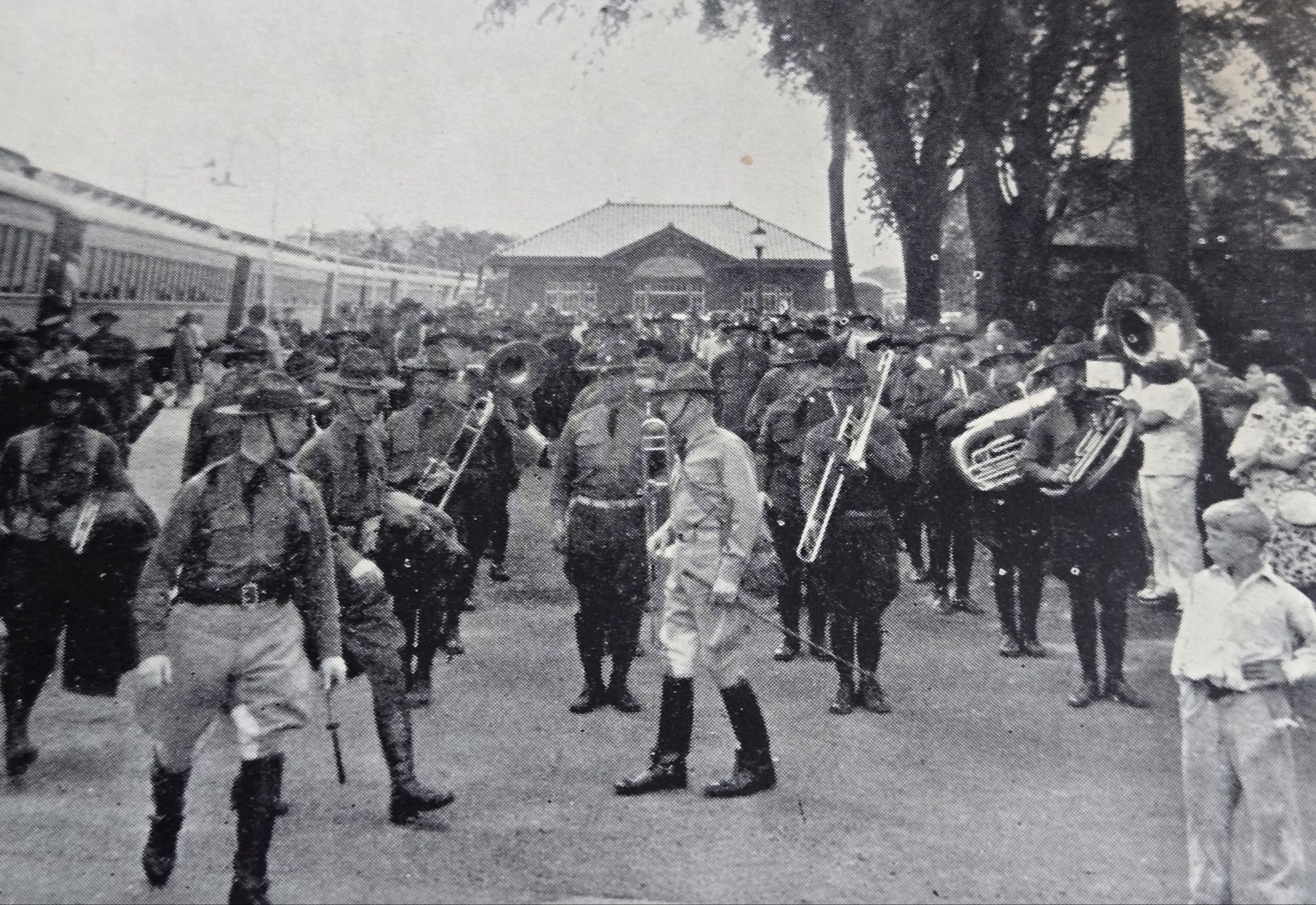
On August 4, 100,000 troops began arriving by truck, air, and train. Lieutenant-General Hugh Drum was made the commander of the operation, and the soldiers came from all the states on The Eastern Seaboard from Maine to Virginia. 3000 horses were also brought in to join the ranks.
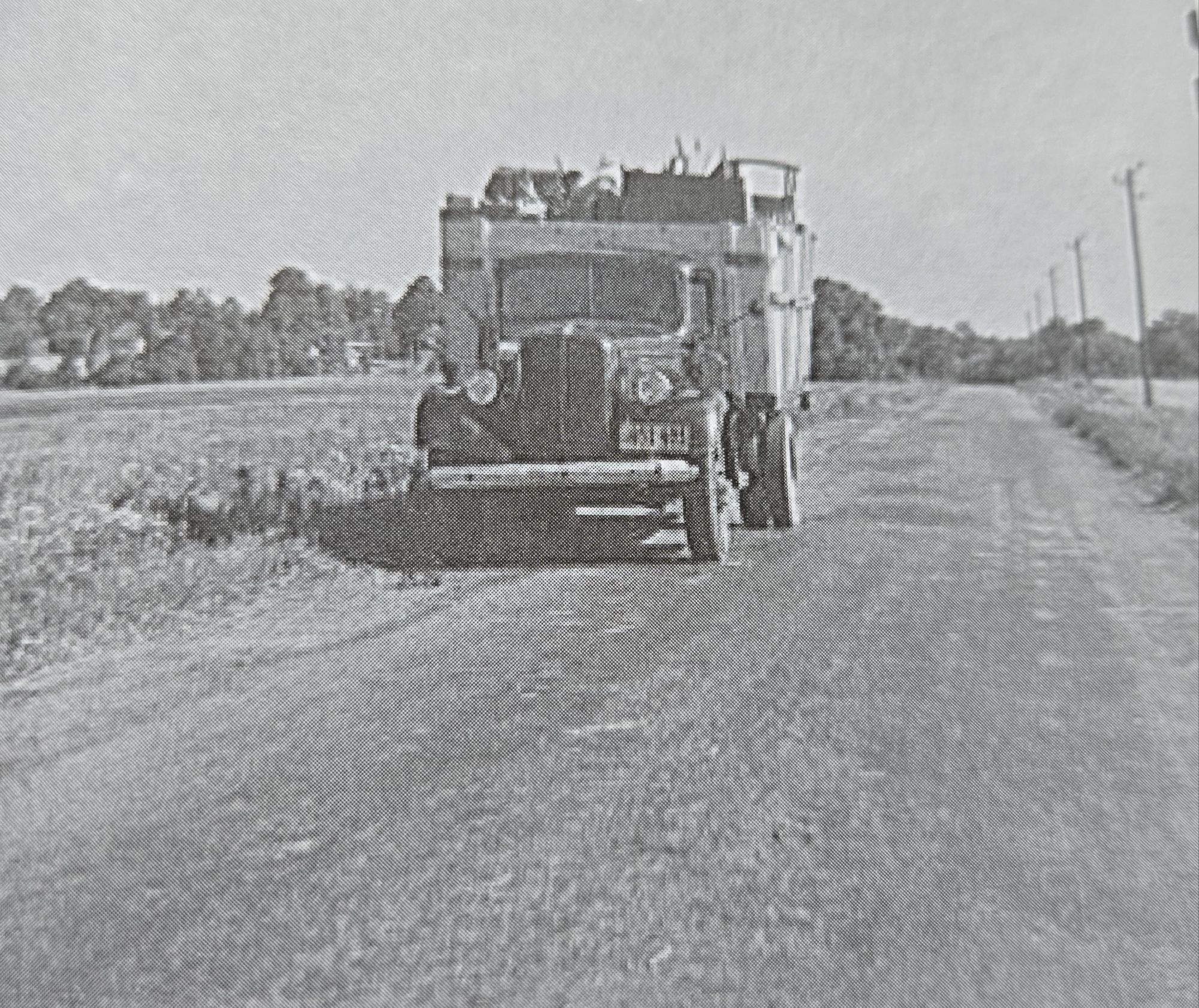
Tent encampments were set up and wires strung across the area for communication. To supplement a lack of army equipment, trucks with log protrusions were made to look like tanks. Branches from the trees became fake guns. Signs marked the fake bombing of bridges, and native citizens had to find alternative routes. Soldier “casualties” were asked to wear a label and to act dead until they were cleared from the field. Many local people came to watch the excitement as local stores set records in sales.
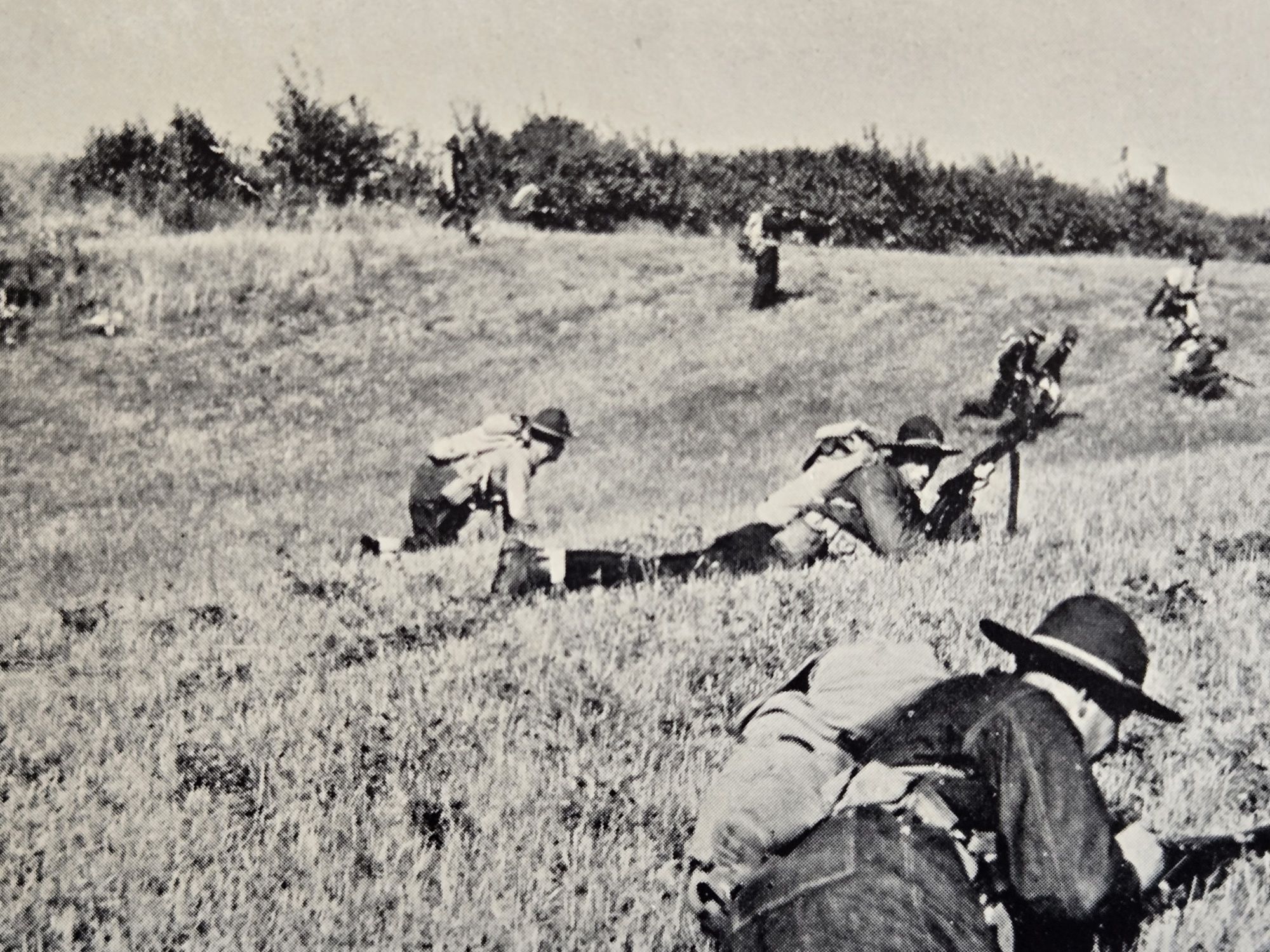
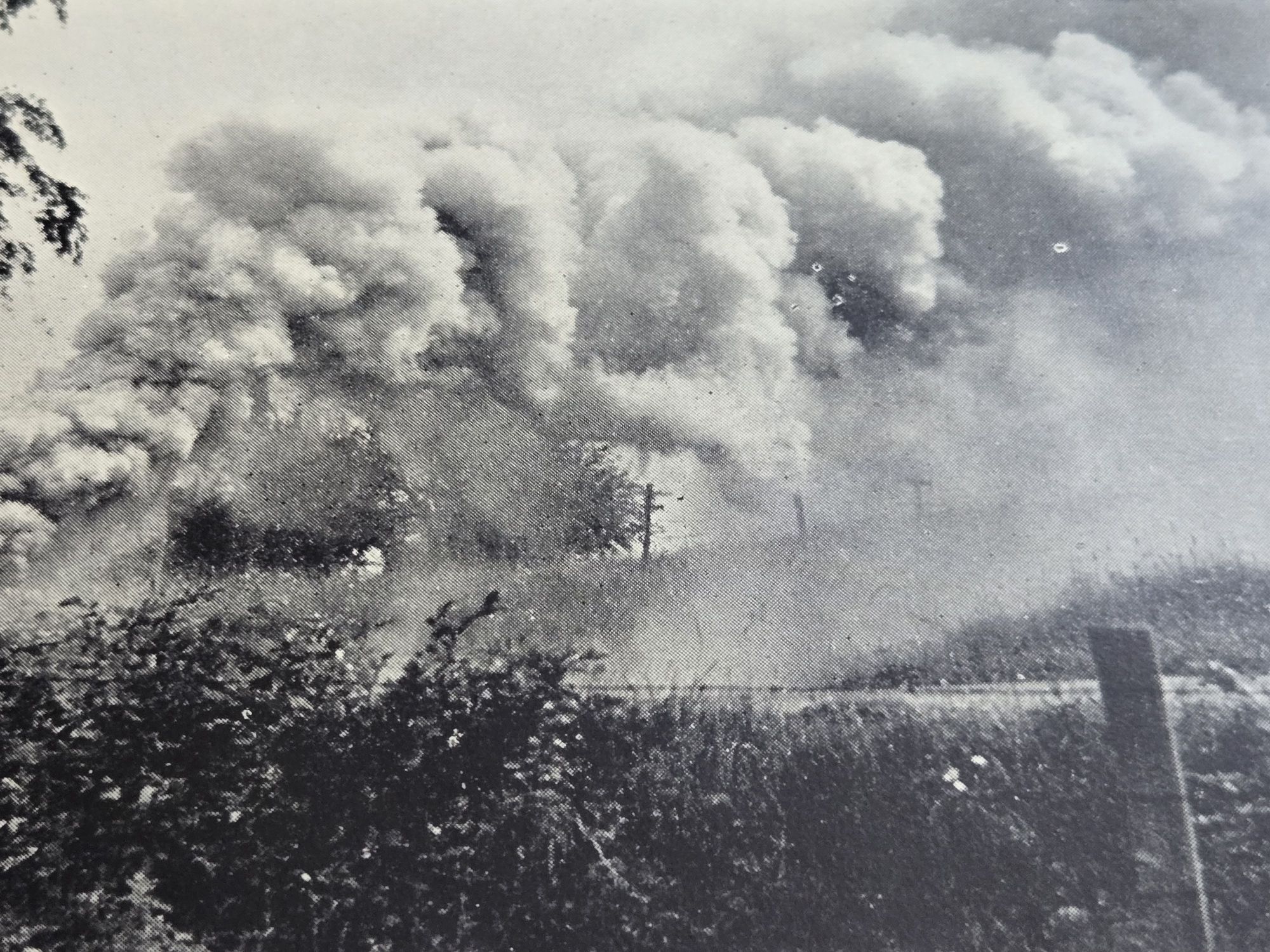
The soldiers and equipment were divided into two groups. The Black team, which “had just invaded and conquered New England and was on its way to the Midwest and Chicago to do more damage”. The Blue team represented American forces whose task was to stop them. Each team had a daily supply train which, among other things, provided each Army with food. The Blue team captured the Black team’s supplies. It was well known that the soldiers had hearty appetites. (Local purification plants worked 3 shifts, 24 hours a day, to supply their new population with milk. And it was recorded that 1,242,187 pounds of bread were consumed during the 21 days of the mock battle.) The missing food was strategic, and The Blue team beat the “starving” Black Team.
On August 17, President Roosevelt arrived in the county by train. He was joined by NYS Governor Lehman, U Secretary of War, Henry L. Stimson, and General Hugh Drum. A motorcade carried them all through the maneuver areas, and citizens lined the road to see the historic visit.
The president then traveled to Ogdensburg to meet with Canadian Prime Minister Mackenzie King to sign the Ogdensburg Agreement, which guaranteed strong relations and mutual security between the two nations.
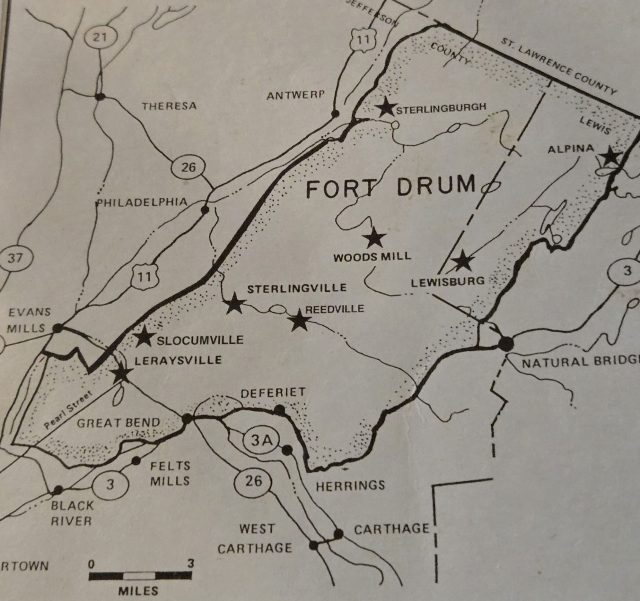
In 1940, the Army had a small training containment area in Jefferson County on Pine Plains, but as the war in Europe intensified, more training land was needed. Over 70,000 acres were added to Pine Camp. 500 families, over 2,000 people were displaced, and 130 years of settlement work came to an end.


And when the Japanese bombed Pearl Harbor on December 7, 1941, the building of this new base was intensified. Sterlingburgh, Alpina, Lewisburgh, Sterlingville. Woods Mills, Slocumville, Lewraysville, and the little hamlet of Nauvoo were demolished. It was named Fort Drum after Lieutenant-General Hugh Drum, who led the war games in St. Lawrence County in 1940.
Recently, Fort Drum’s Cultural Center organized several tours for the public to learn about the base’s history and the stories of the lost villages. I love history and went on several. Nauvoo was mentioned, but the guide offered little beyond the fact that it had something to do with the Jewish faith. I was curious, but it was not until I accidentally found a clue that my year-long journey into the mystery of Nauvoo took off.
Copyright 2026 theautonomoustraveler.com All rights reserved.


Very interesting! It would like to take this tour when it’s available. Peter
Sent from my iPhone
LikeLiked by 1 person
Peter, you would really enjoy it. Connect to The Fort Drum website for future tours.
LikeLike
So interesting, Joyce. All right in our own back yard. As always, thanks for sharing.
Terry
LikeLiked by 1 person
Terry, Thank you so much for your support. I have always felt a strong connection to “our own backyard”. The mystery of Nauvoo has compelled me to dig into our history and into the lives of the brave and hardworking people who loved this area. Their story, our story is not insignificant. I will keep telling it. Again, thank you so much.
LikeLike