
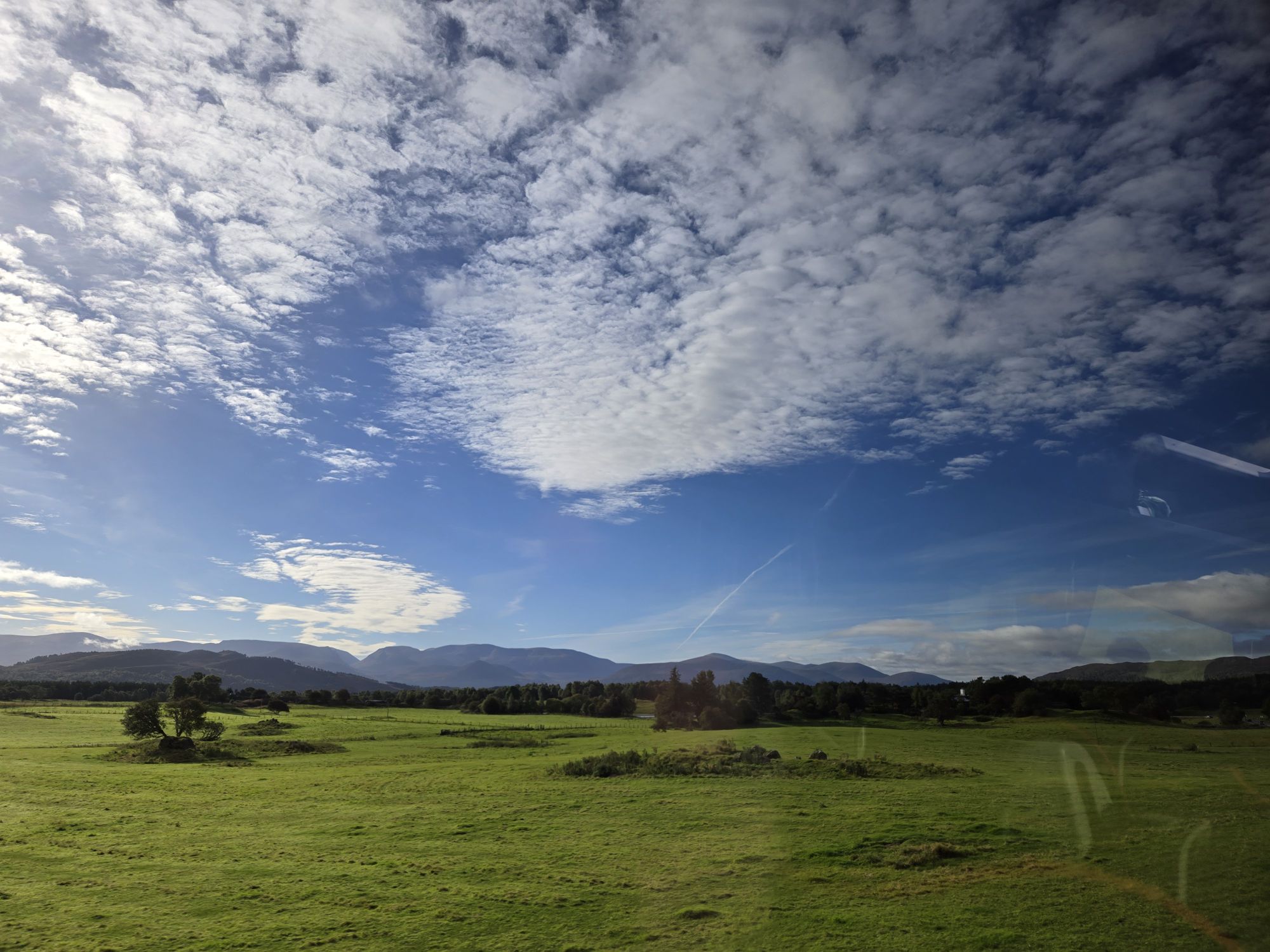
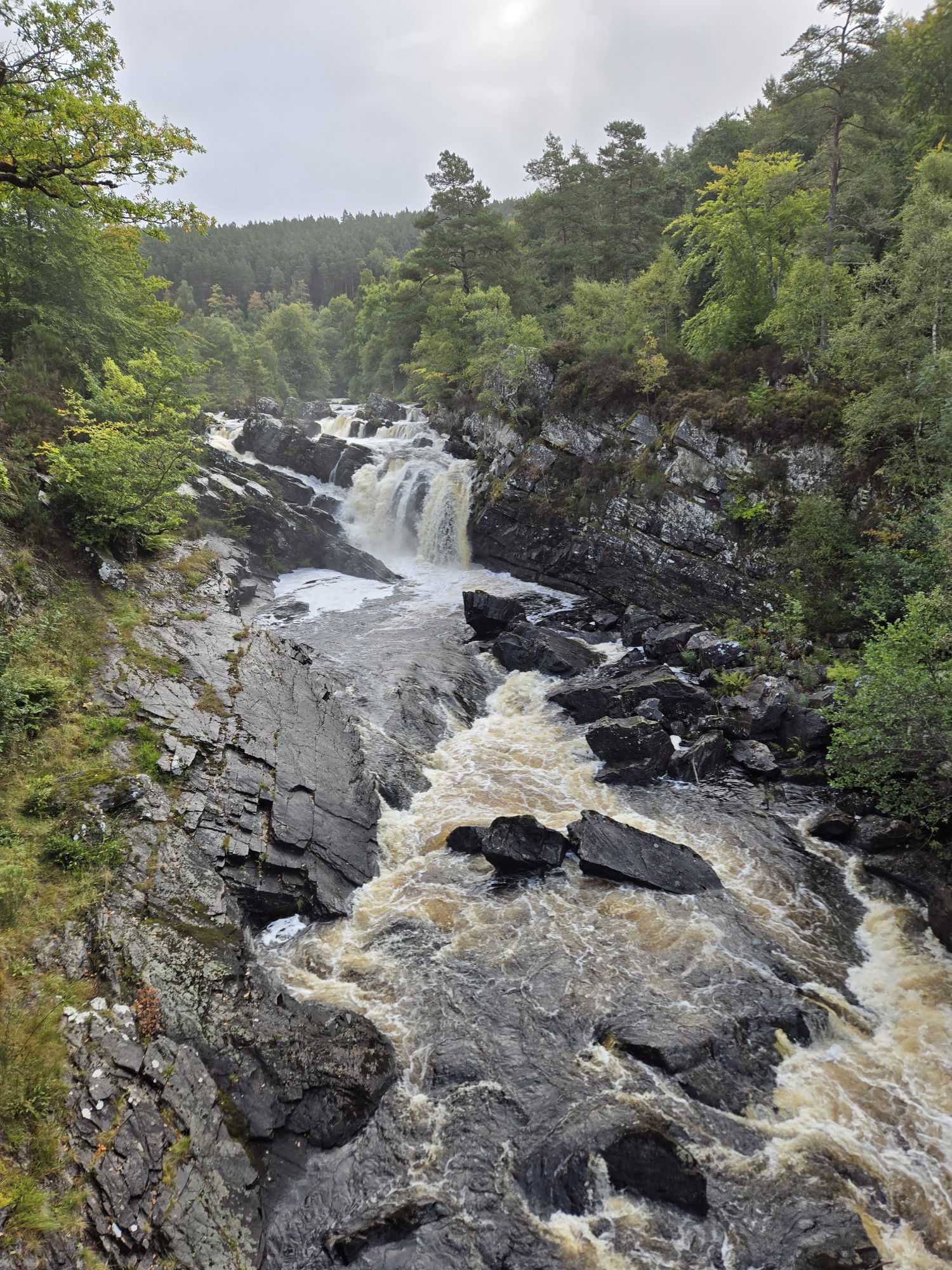
My second visit to Scotland put a spell on me. I traveled through the Highlands, taking in the vast green fields, the rocky hills and mountains, and the lovely waterways. Since coming home, I’ve been like a hologram, a wavering collection of intense energy without substance. I’ve tried to understand why I have such a heartfelt connection to this country.
Maybe it’s because of my dad and his love of the outdoors. He was a hunter and fisherman and took our family to Canada’s wilderness and The Adirondacks. He transplanted trees from the woods to provide shade around our house. When he died, I made sure to take down and keep the sign he created, in a light-hearted way, to stake his claim and protect the twenty acres he had come to love.

Maybe it’s because I live in the extreme northern part of New York on 123 acres of fields and woodland. It’s a rural part of America with little industry, almost forgotten except when tourists flock to the St. Lawrence River, Thousand Islands, and Lake Ontario in the summer. Not far from me are the majestic Adirondack Mountains. My home is in the hinterland, an insignificant area filled with farms and little towns long removed from their early days of lively significance. There is poverty here and long, cold winters and the rest of the county writes us off as backward. But I love it here. My dad understood.
Maybe it’s because I understand the Highlanders’ stubborn love of their land. The English looked down on Scottish people, calling them stubborn and uncivilized. I sympathized with their struggles and enjoyed learning about their history and culture.
Maybe it’s because I have hiked much of my land and observed its many rock outcroppings.


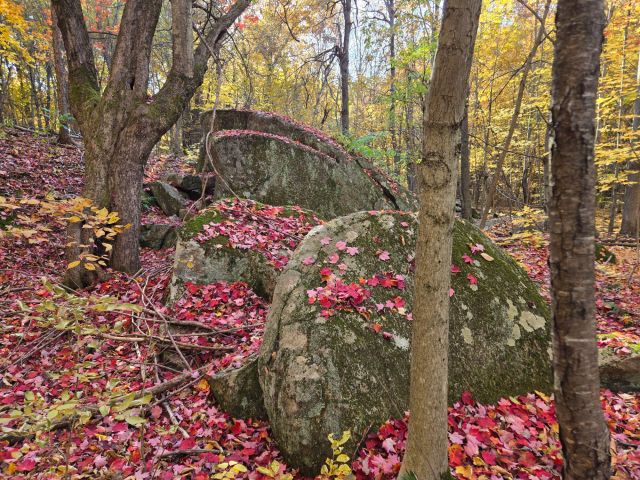
I know about the Canadian Shield, which hopped the US border from Canada and continues to The Adirondacks. My land is on the geological bridge that connects the two areas and, therefore, has the geological makeup of The Adirondacks.

Maybe it’s because Scotland and The Adirondacks are characterized by ancient igneous and metamorphic rocks. My land is overrun with metamorphic gneiss and igneous granite, even though I’m twenty miles from the Adirondack Blue Line.
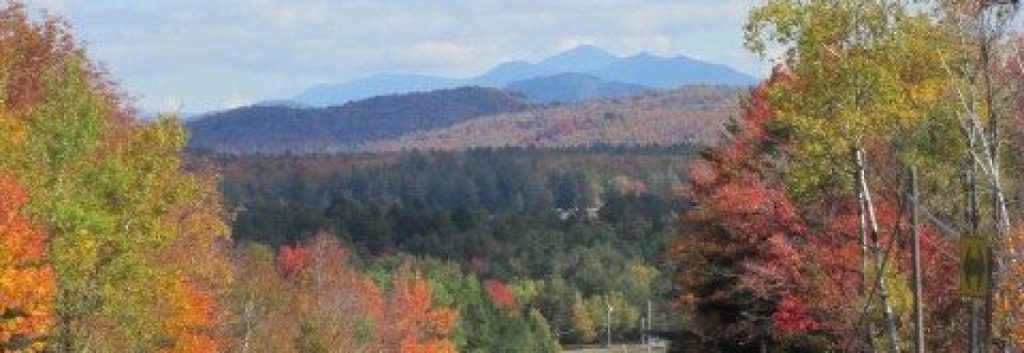


Maybe it’s because, since coming home from Scotland, I discovered that the Adirondacks, as part of the Appalachians, had been connected to the Scottish Highlands millions of years ago. The continental collision and breakup of the tectonic plates made this a reality.

Maybe it’s because the lovely Scottish countryside revealed this geological coincidence. I sensed this ancient bond.


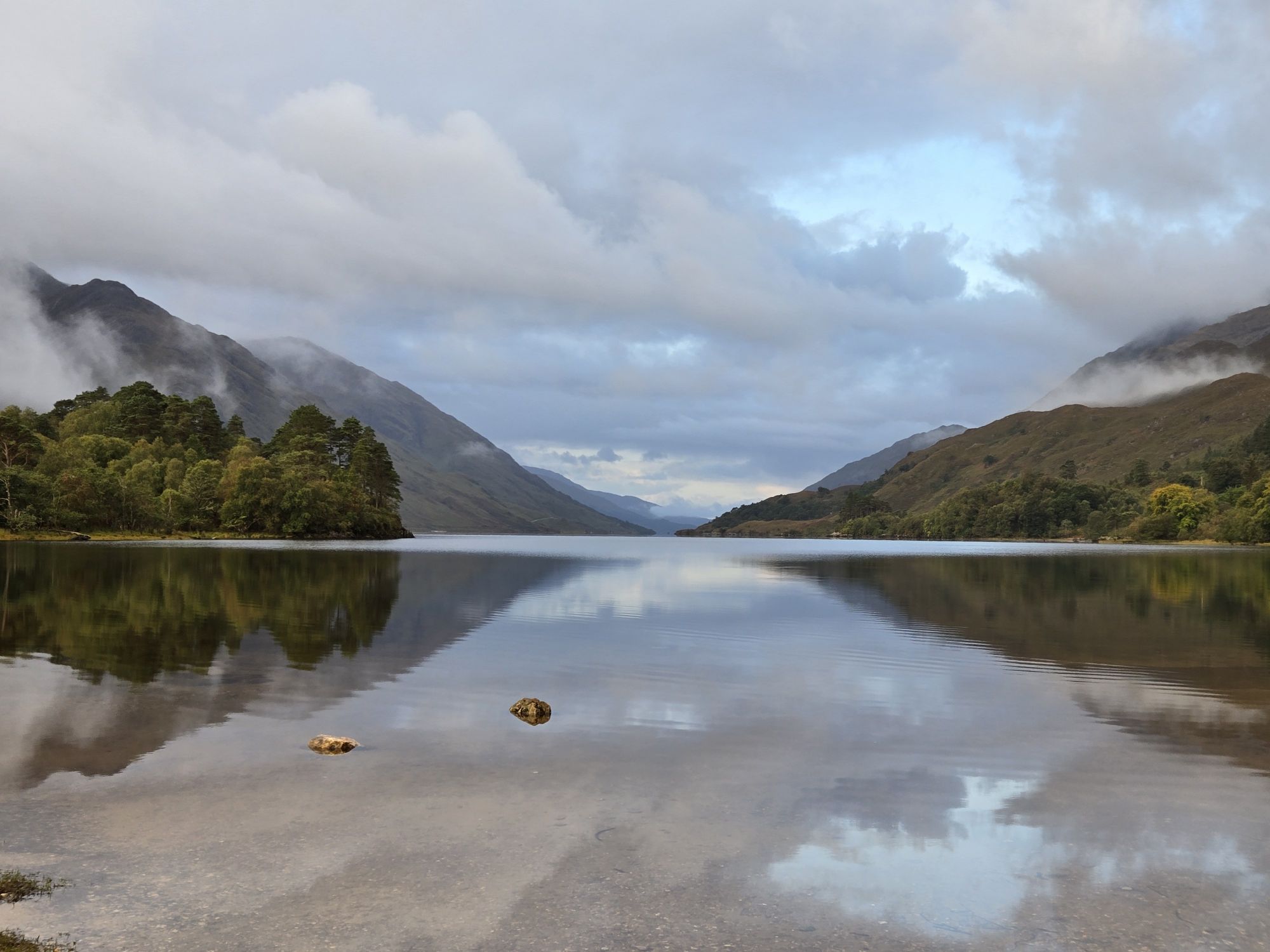
Maybe it’s because I was appalled to learn about “The Great Clearance” in Scotland. Wealthy landholders dominated the lives of those who served them, treating them as tenants. But when the demand and price of wool increased, the upper class evicted those people to make room for sheep pastures.

I visited the Dunrobin Palace of a notorious villain of Scotland, Lord Strickland. He banished his tenants to the sea and told them they could survive by learning to fish. They were forced to build crude homes from any rocks, grasses, and wood they could find. These structures came to be known as “Black Houses.” Many tenant farmers throughout Scotland were forced to immigrate to The US, Canada, and Australia. At the time, Lord Strickland had a statue in his likeness placed on one of the hills near his castle. Today, it is subject to vandalism and defilement by angry Scottish people who will never forget the brutality of his greed.

Maybe it’s because I understand that much of history has its roots in and around the frenzy for dirt, soil, and the seizing of territory. In my state, in the seventeen hundreds, Native Americans were tricked into turning over their land to the French and the British. After the Revolutionary War, speculators worldwide pounced on my untouched North Country wilderness to make quick profits. Centuries later, on September 1, 1941, the US Government officially displaced 525 families in my area to acquire 75,000 acres to expand Pine Camp into Fort Drum.
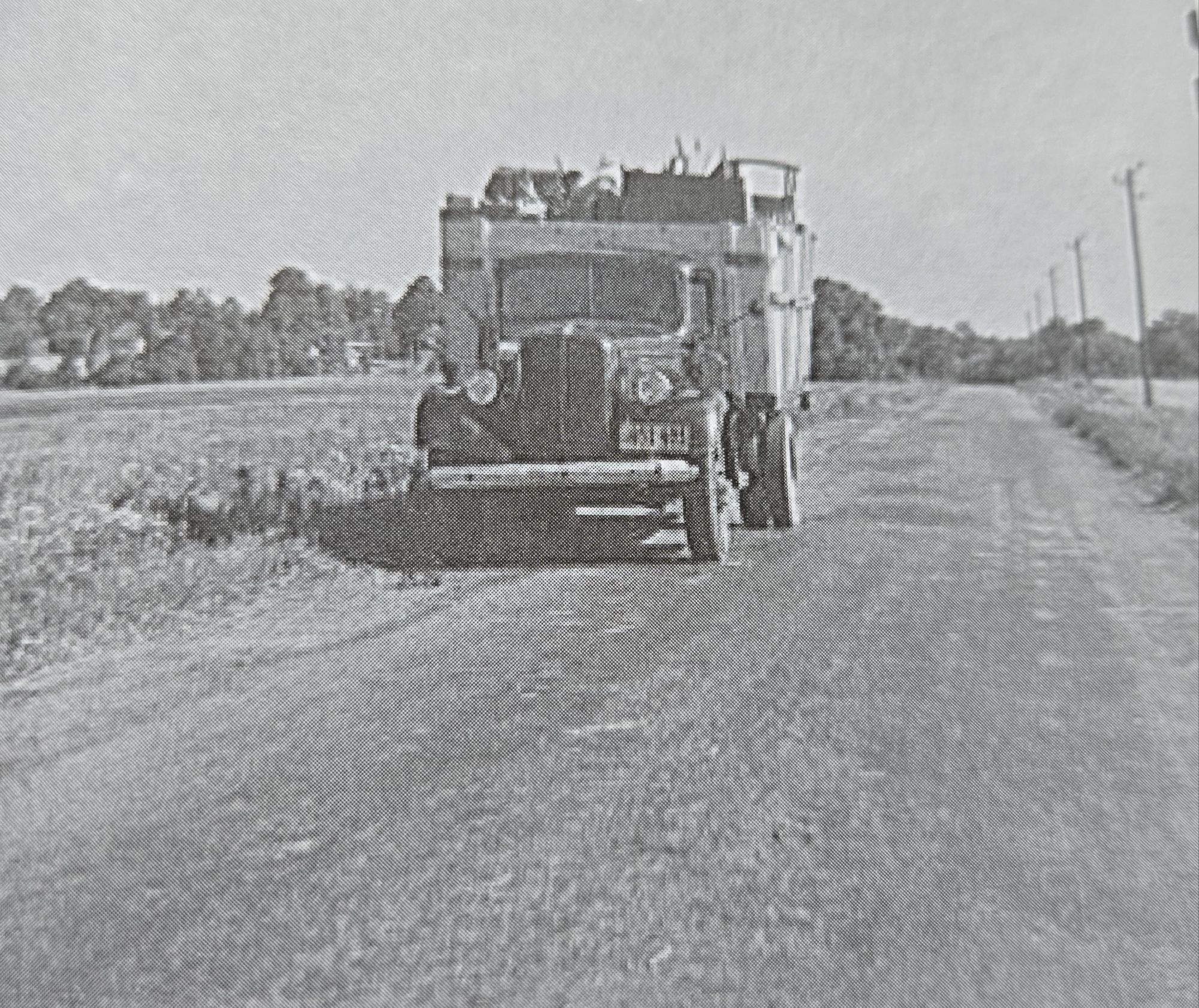


Photographs from Drummed Out by Keitha Kellog Peterson
The story of land grabbing continues to this day. Even though I believe in environmental protection, I hate to see all our fields marred by endless solar panels that will harm the beauty and wildlife of my area. The process has begun with plans for a 1700-acre solar farm north of me. The truth remains that land is a tangible and sought-after asset, and its value fluctuates with human whims.
Maybe it’s because I feel a kinship with those who find peace in the simple things of nature. I love Scotland because it is filled with generations who value the stillness of unappreciated places. They fought invaders and braved the cold, harsh climate for a sense of place. They cherish simple present-moment experiences, the touch of a breeze, the warmth of the sun, and the lovely song of a bird. They understand that the woods, mountains, and lakes were the first churches, powerful spiritual places that allow individuals to connect with the entity who created us all.
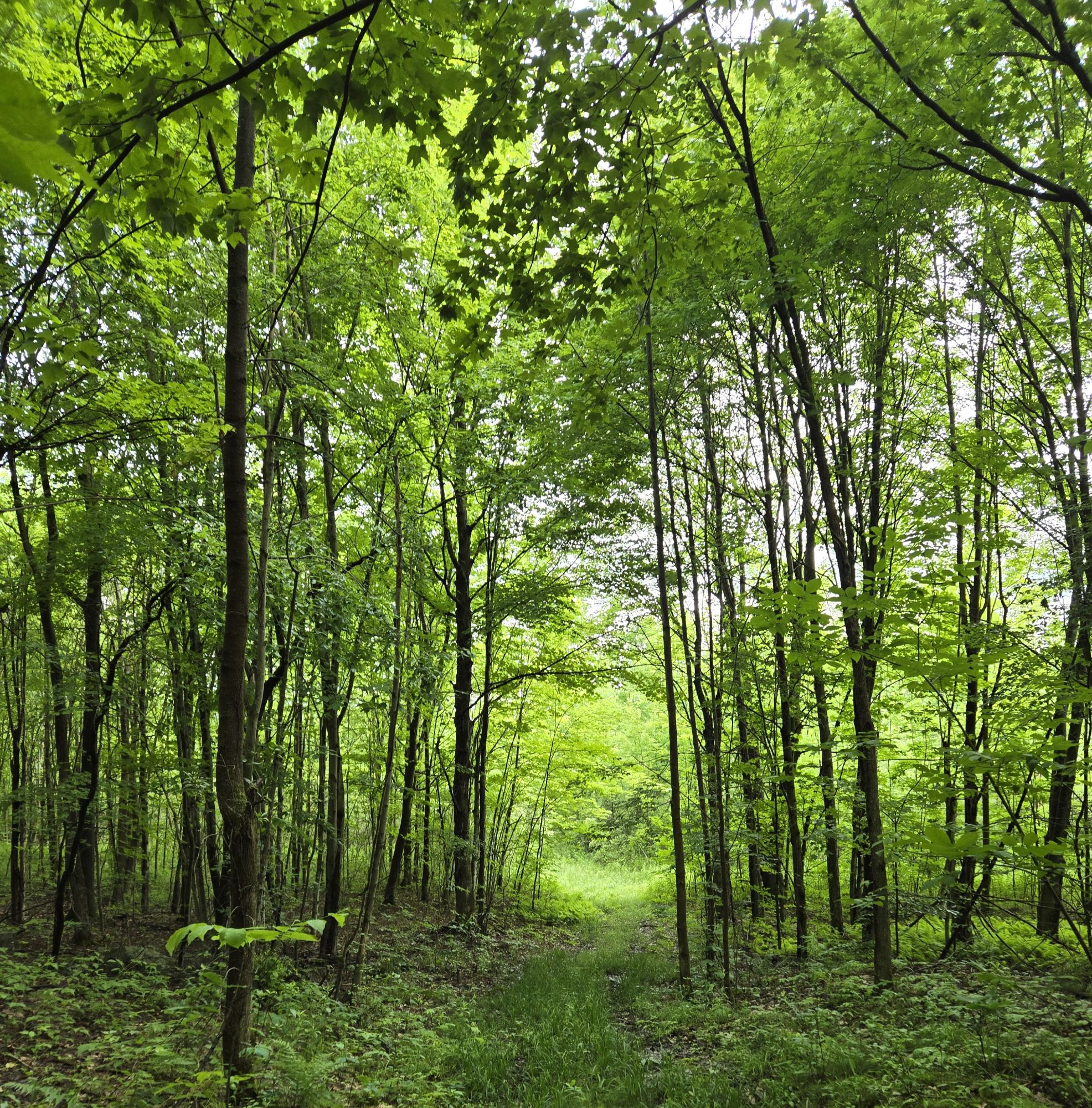


And maybe it’s because I have cherished the safety and peace of natural environments all my life. In Scotland, I have found a culture based on the love and reverence of the land. I will always be connected to that beautiful country. Their home is mine.

Copyright@2025 theautonomoustraveler.com All rights reserved.
 The Autonomous Traveler
What an amazing, heartfelt post, Joyce. I loved it.
LikeLiked by 1 person
Thank you, Lori, for your help and support. I appreciate it.
LikeLike
I so enjoyed reading your post, Joyce! Especially since our fun visit and lunch together last week where we discussed some of these same ideas… Well done!
LikeLiked by 1 person
Thank you, my friend. We have so much more to explore and discuss.
LikeLike
Thank you, Joyce. What an inspiring piece. I look forward to sharing more North Country explorations with you.
LikeLike
Thank you so much! Our piece of the world is truly a treasure!
LikeLike