I’m from Upstate New York, way upstate near the Canadian border. Growing up in a rural area dotted with orchards and dairy farms, I never had the opportunity to meet many Jewish people. Somewhere, somehow, I had heard the word “kibbutz”, maybe on TV, maybe in school. I grew up in a kind of diversity vacuum, where a Mayberry and “Leave it to Beaver” existence was the standard norm. Perceptions were clearly defined and rigidly maintained.
In my mind, a kibbutz was a farm where people came to work and plant trees. I don’t know where the idea of the trees came from, but I had a very strong image of them. I knew that the kibbutz was unique to Israel,l and I deduced it must be warm there because I think I had seen pictures of everyone dressed the same in shorts
As I sat on the tour bus in November, anticipating my stay at a kibbutz, my know-it-all teacher mentality kicked in, and I wondered how I would react to the very vivid “reality” in my mind. Would I have to wear shorts? Feed some chickens? Plant a tree?
The concept and necessity of the Kibbutz originated in 1903, as Russian Jewish immigrants began to flood into Israel. They were communes meant to be an ideal utopia, where people shared work, money, and childcare to create a better life for all. In its earlier history, the Kibbutz members could own no private property or possessions. The concepts of social and gender equality remain intact today.
What a surprise I had when we arrived at the kibbutz, and it was a resort hotel.
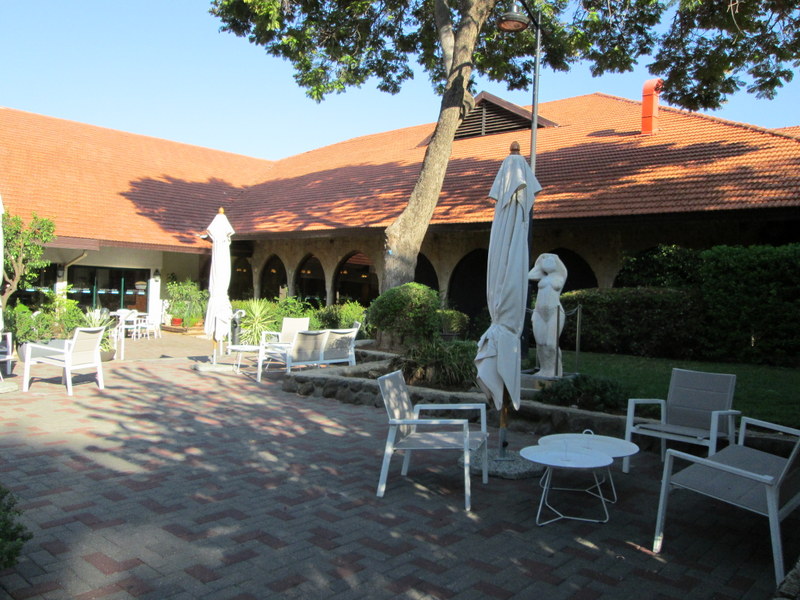
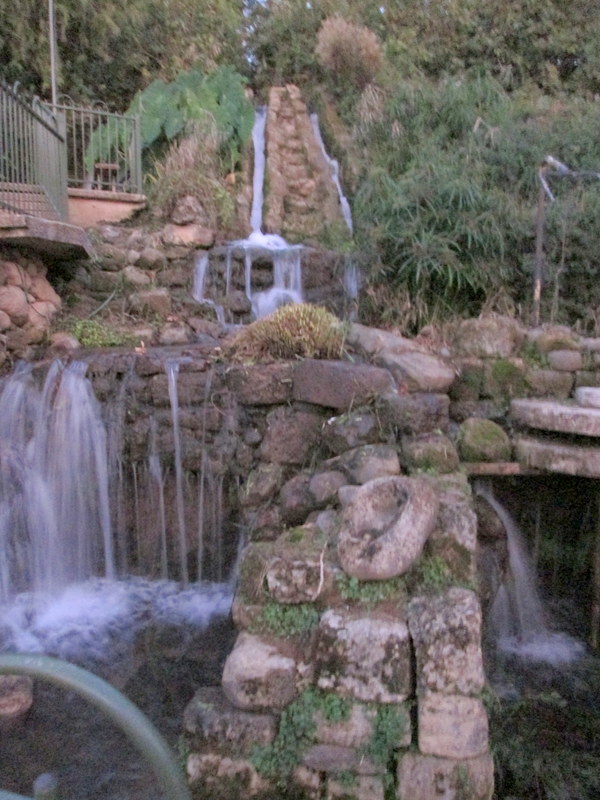
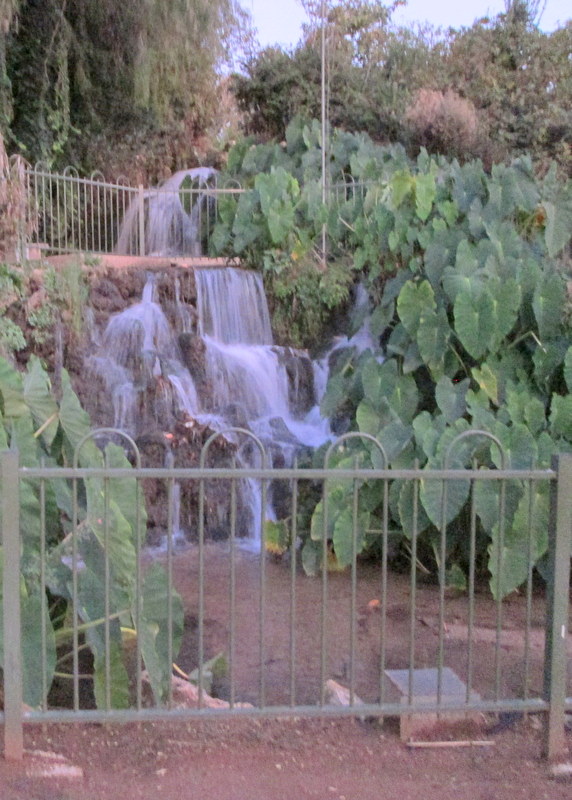
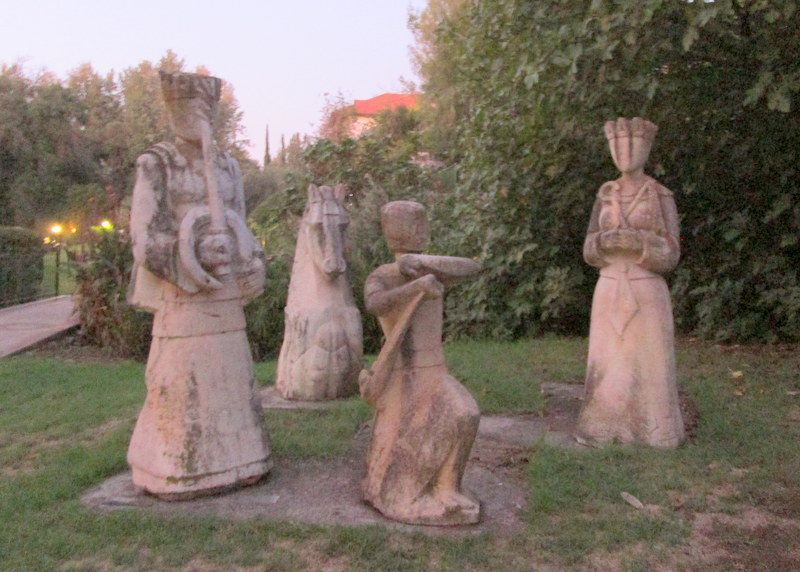
The economy of the original kibbutz systems was built around farming, but has now advanced to manufacturing and the hospitality industry. Some businesses are privatized,d and workers are salaried. Others have members work as their obligation to the kibbutz as a whole.

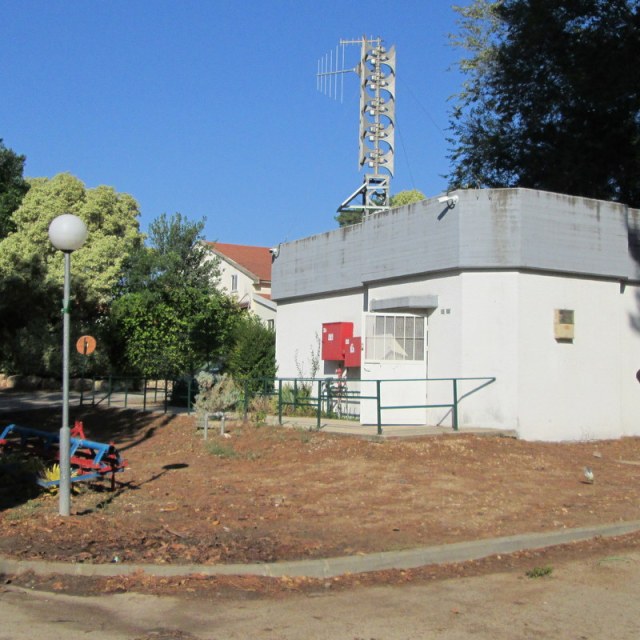
My visit was an eye-opening and enjoyable experience that cautioned me to rely less on my preconceived perceptions.
Copyright 2020 @theautonomoustraveler.com All rights reserved.
 The Autonomous Traveler
Who would-a thought!
LikeLike
I would imagine some groups might be like your notion , perhaps in outlying areas. Interesting that the concept has developed into a more contemporary approach. Adaptation is the key to survival.
LikeLiked by 1 person