
As I mentioned in previous posts, I traveled to India with minimal preparation. Sure, I had the required shots, including the one for typhoid, and I also had prescription pills to ward off malaria. ( I was told this medicine might produce crazy dreams while I was taking it, months later, I am still plagued by night dramas with intriguing and intricate plots.) I bought a new pair of shoes that were carefully broken in before the trip. I wisely carried bottles of hand sanitizer and peppermint oil to counteract the odoriferous street smells.
What I didn’t bring was enough historical knowledge. As a person who thinks she knows enough to “wing it”, I found my head spinning when I saw the tremendous Muslim influence in a country I had thought was purely Hindu. This was a pleasant surprise since I always hoped to see Islamic architecture in my travels, and in India, of all places, I did.
It’s funny how little I was taught in school about Islam, or maybe being a teenager, I didn’t have the motivation to pay attention. Finally, the Taj Mahal caught my attention.
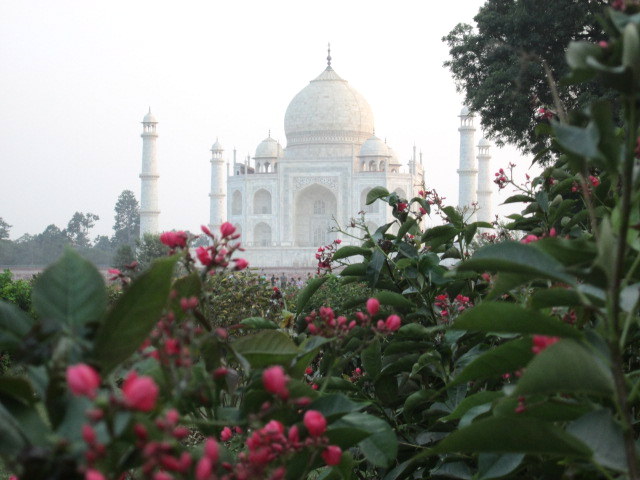
The Mughals
The Mughals were Sunni Muslims who conquered Delhi, India, and ruled northern India from 1526 to 1707. Akbar, the grandson of the first emperor, believed in religious tolerance and ruled over the Hindus with diplomacy. He abolished the tax on non-Muslims, banned the slaughtering of cows, and promoted Hindu warriors in his army. He became a vegetarian and married a Hindu princess. He also established a place where religious scholars of all faiths could meet and share common beliefs.
Akbar’s grandson, Shah Jahan, ruled from 1628 to 1658 and loved to build. He constructed the Taj Mahal as a mausoleum for his dead wife, the love of his life, Mumtaz Mahal.
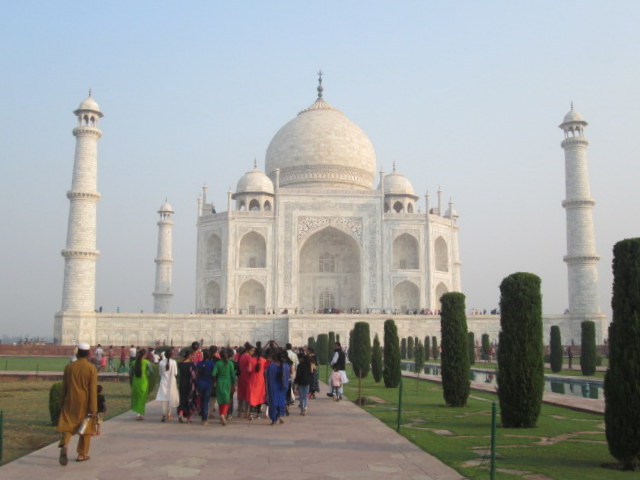
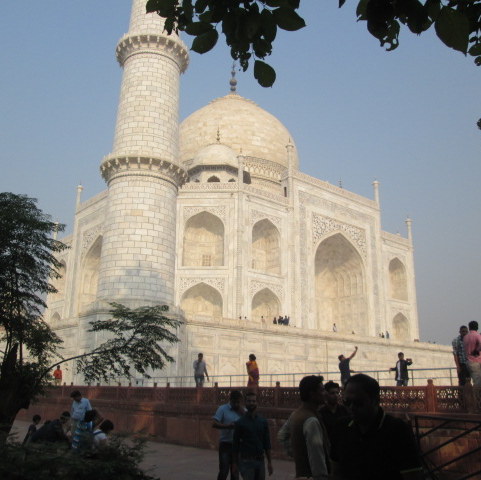
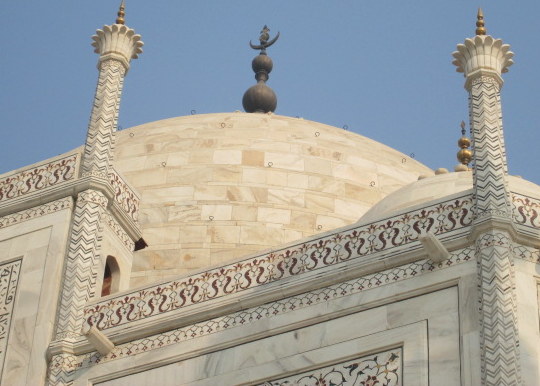
The Taj Mahal, made of ivory white marble, is the most famous example of Islamic architecture, featuring minarets (spire towers). A dome and pointed arches. No images of living things are allowed in the Muslim faith, but marble and inlaid flower designs are everywhere, plus Islamic calligraphy.
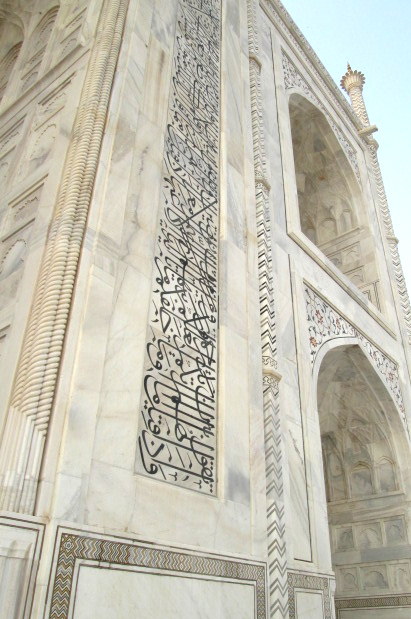
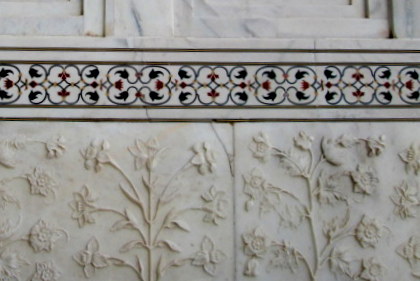
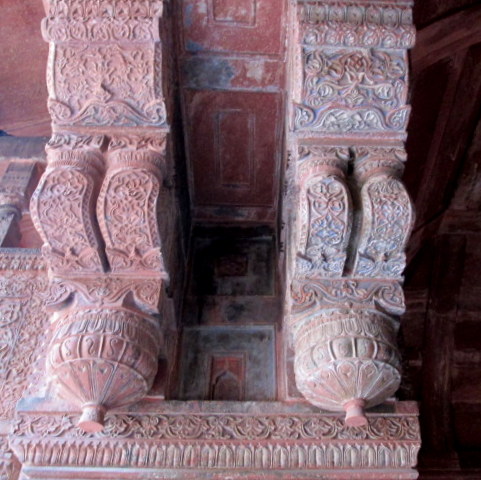
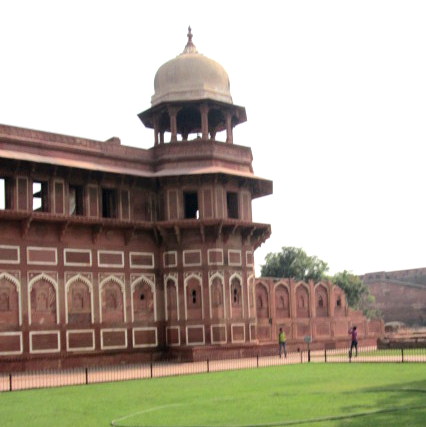
Shah Jahan lived in the sandstone and marble Red Fort, which he also built during his reign.
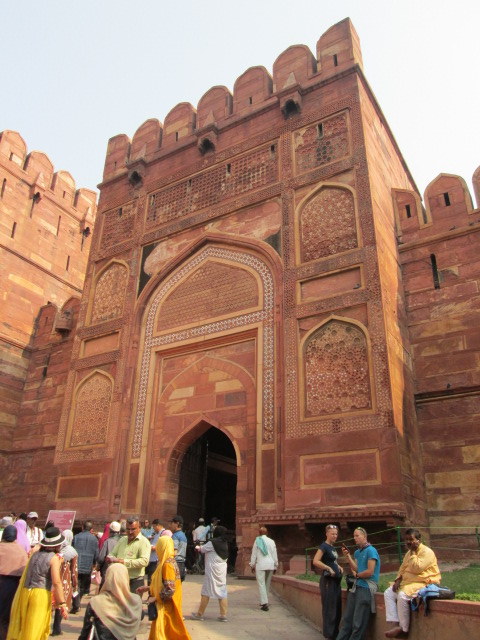
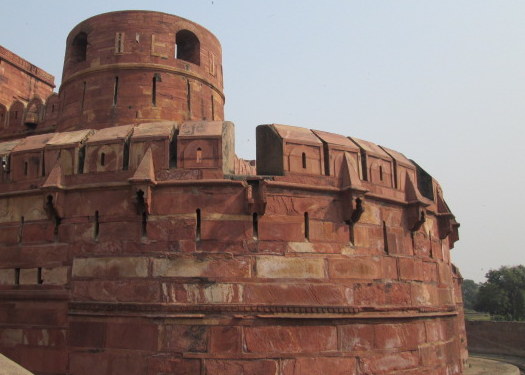
Here, I was able to see more Islamic architectural features, including Moorish multifoil arches and muqarnas vaulting with its textured detail.
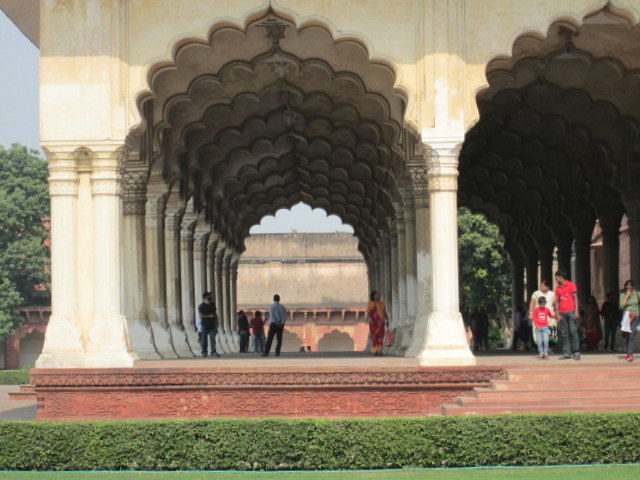
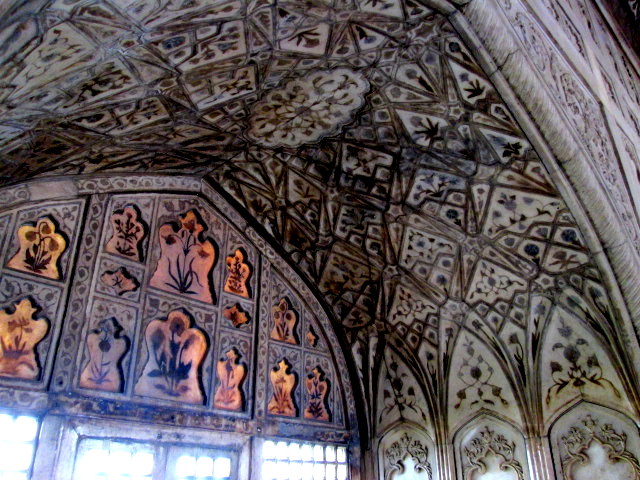
The fort was massive and fascinating.
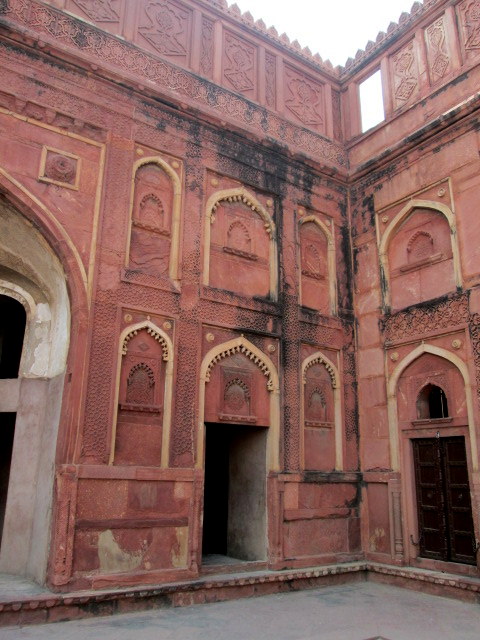
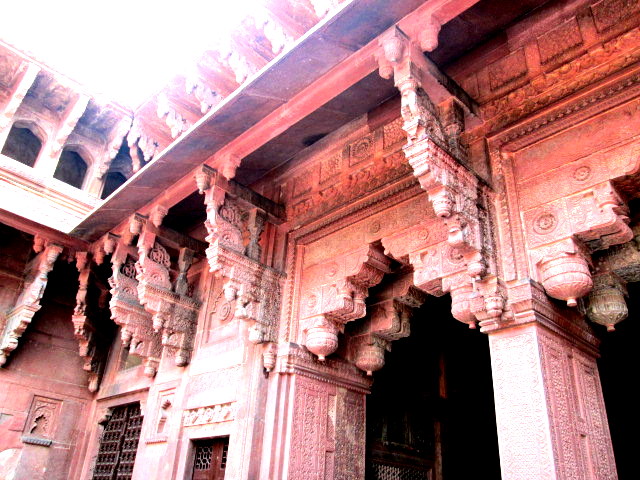
Unfortunately, the romantic, creative Shah Jahan would have further tragedy in his life. His tyrannical son, Aurangzeb, would become the last Mughal emperor. During Aurangzeb’s reign, Hindu temples and images were destroyed, and the playing of music was forbidden. He imprisoned his father in the fort where legend says Shah Jahan died of a broken heart in 1660. As a prisoner, he could see the Taj Mahal in the distant but was never allowed to visit his wife at her final resting place again.
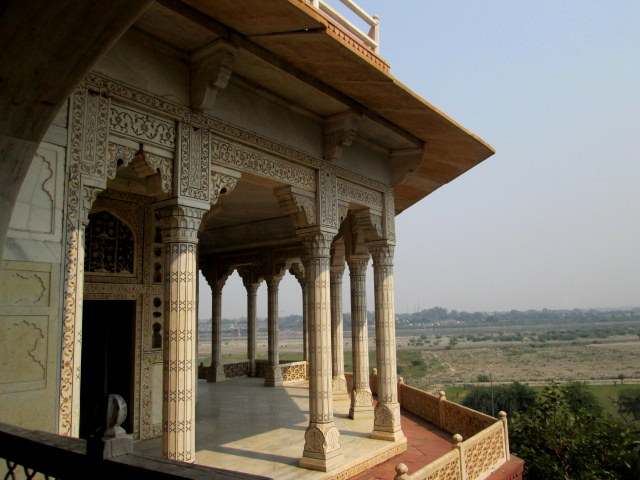
I learned both beautiful and tragic lessons in these historic places. We, as human beings, have clear choices in life, either we can create beauty or we can spend our lives destroying things, other people, and maybe even ourselves. This sunny day in Agra, India, made this lesson extremely clear.
 The Autonomous Traveler
https://www.nationalgeographic.com/culture/2019/03/kashmir-conflict-how-did-it-start/ Found this article just as I was reading your posts. I had always thought that Kashmir was also a sacred place for both Hindus and Muslims. Enjoying your posts. Like so many places, India is a place that could take years to try to know.
LikeLiked by 1 person
Thank you so much for the article and your continued support of my blog.
LikeLike